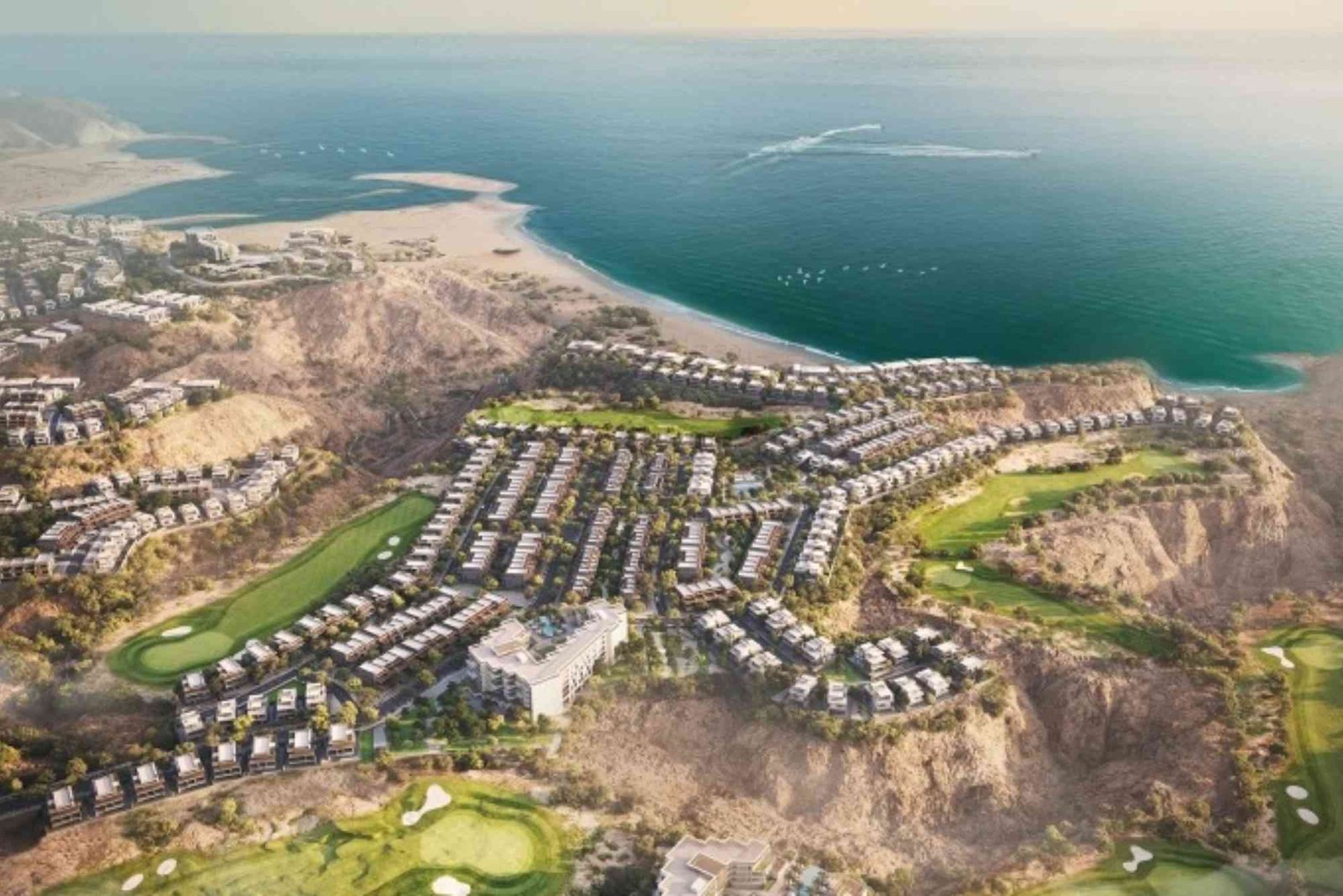
Coastal cities increasingly face the challenge of balancing dense urban growth with the human desire for space, privacy, and access to nature. In urban development discussions, projects such as Asora Bay Villas are sometimes referenced as examples of how low-density living is being reintroduced into waterfront zones without abandoning modern infrastructure or sustainability goals.
Why villa-style living is returning to coastal regions
For decades, high-rise construction dominated seaside development due to limited land availability. However, planners now recognize that mixed residential formats create more resilient and livable districts. Villa communities offer quieter environments, private outdoor areas, and reduced congestion, while still benefiting from proximity to commercial centers and transport links.
Midway through residential research, future homeowners often evaluate projects like Asora Bay Villas when comparing coastal housing formats and understanding how private developments integrate with public shoreline access and environmental protections.
Key factors that typically define successful coastal villa communities include:
- flood-resistant foundations and elevated landscaping;
- energy-efficient cooling and natural ventilation design;
- managed green zones that reduce heat buildup;
- clear zoning between residential and recreational areas;
- easy access to essential urban services.
Environmental planning plays a central role in these developments. Modern coastal housing increasingly uses permeable surfaces, native vegetation, and smart water systems to limit erosion and reduce long-term maintenance costs. These measures not only protect natural ecosystems but also improve comfort for residents during extreme weather.
Another advantage is psychological well-being. Studies in urban design consistently show that proximity to water and greenery lowers stress levels and supports healthier daily routines. Residents of lower-density coastal neighborhoods often report higher satisfaction linked to privacy, natural light, and quieter surroundings compared to dense apartment zones.
However, villa communities also require careful governance. Shared infrastructure such as roads, landscaping, and security must be professionally maintained to prevent rising service costs over time. Buyers benefit from reviewing management structures, long-term budgeting plans, and environmental commitments before choosing a property.
As coastal populations continue to grow, the future of waterfront living will likely depend on thoughtful design rather than building higher. Blending private space with ecological responsibility offers a sustainable alternative to overcrowded shorelines while preserving the appeal that makes coastal cities desirable in the first place.